
Underlayment is the layer between your new floor and the thing under your new floor, and it is sold with the confidence of a product that knows you will never see it again. Sometimes it is doing real work. Sometimes it is a roll of foam with a markup and a story. The difference is whether it solves a problem you actually have.
What underlayment is, and what it is not
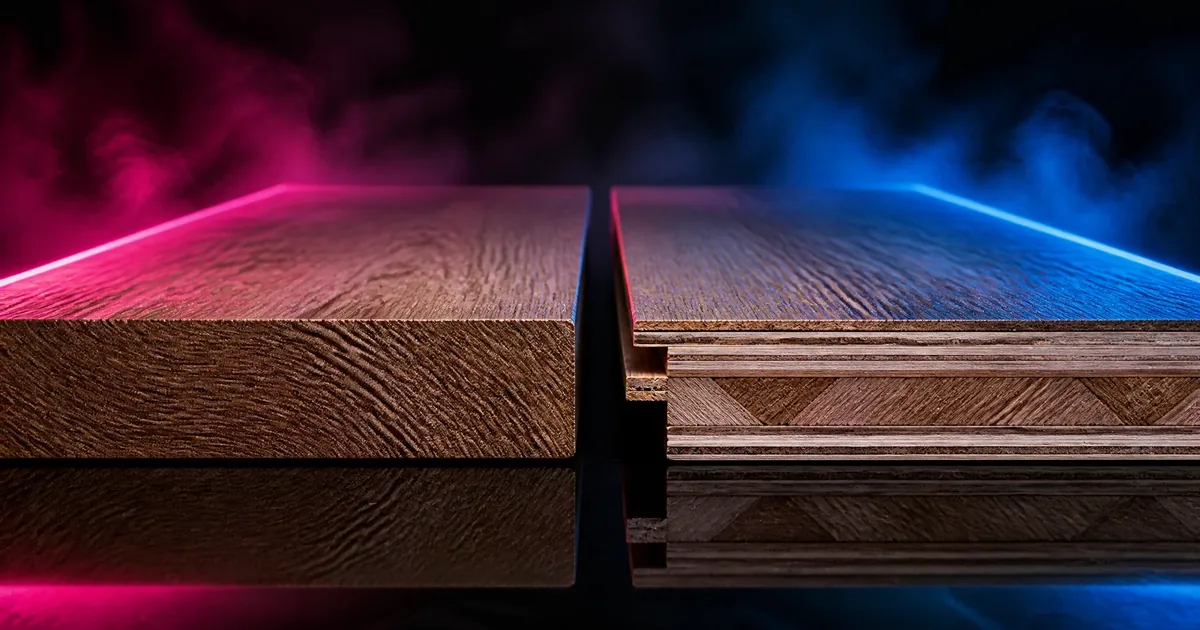
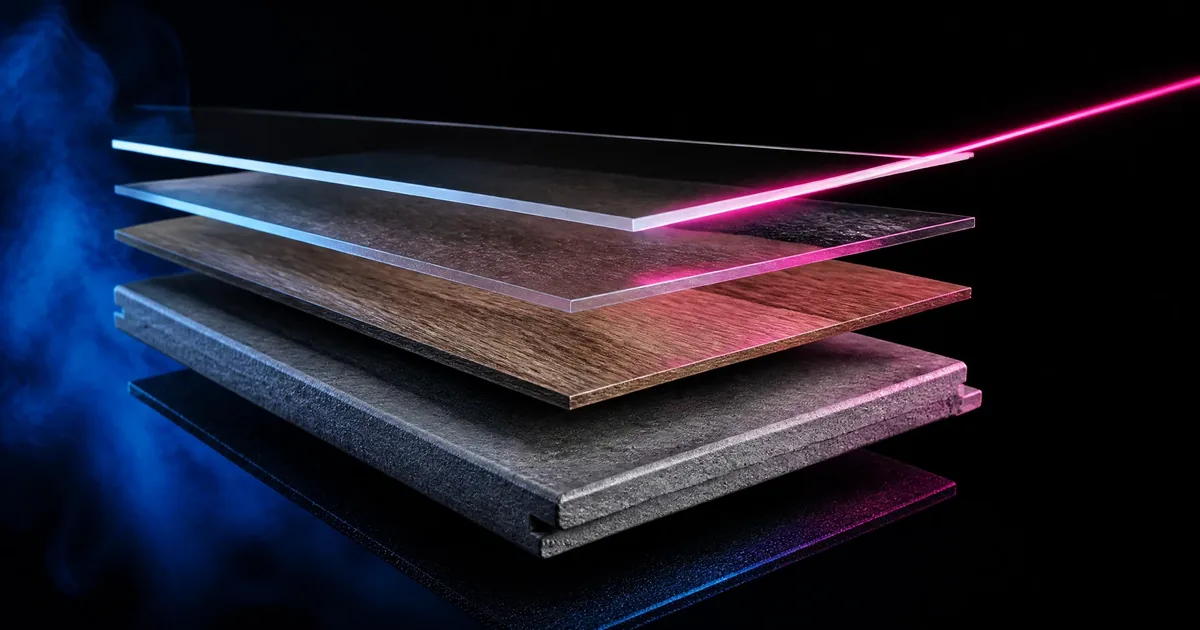
Underlayment sits between the flooring and the subfloor. That is the whole definition, and it covers a surprising amount of ground, because the word gets used for two different things. One is a structural panel, like plywood laid over a plank subfloor to give the finished floor something flat and solid to sit on. The other is the roll of foam, cork, rubber, or combined pad that goes under a floating floor. Different products, different jobs, and confusing them is how people end up with a floor that clicks and flexes.
It is also not the subfloor. If the subfloor has a hump, a dip, a squeak, or a slope, underlayment does not fix any of that. It can bridge minor variation, which is a fancy way of saying it softens the edges of small imperfections. It cannot make an unlevel floor level. That is prep work: patching compound, a self-leveling pour, sanding a high spot, or replacing the panel. No roll of anything in a plastic sleeve substitutes for that.
The plain-English glossary is useful here, because half the argument at the counter is two people using the same word for different products.
The jobs it can actually do
Cushioning is the obvious one. A floating floor over a hard subfloor feels like a floating floor over a hard subfloor. A foam pad takes the edge off, which matters in a room where people stand for hours or where a kid is going to fall over on a regular basis. Cork and rubber feel better underfoot than cheap foam, and they cost more because they do.
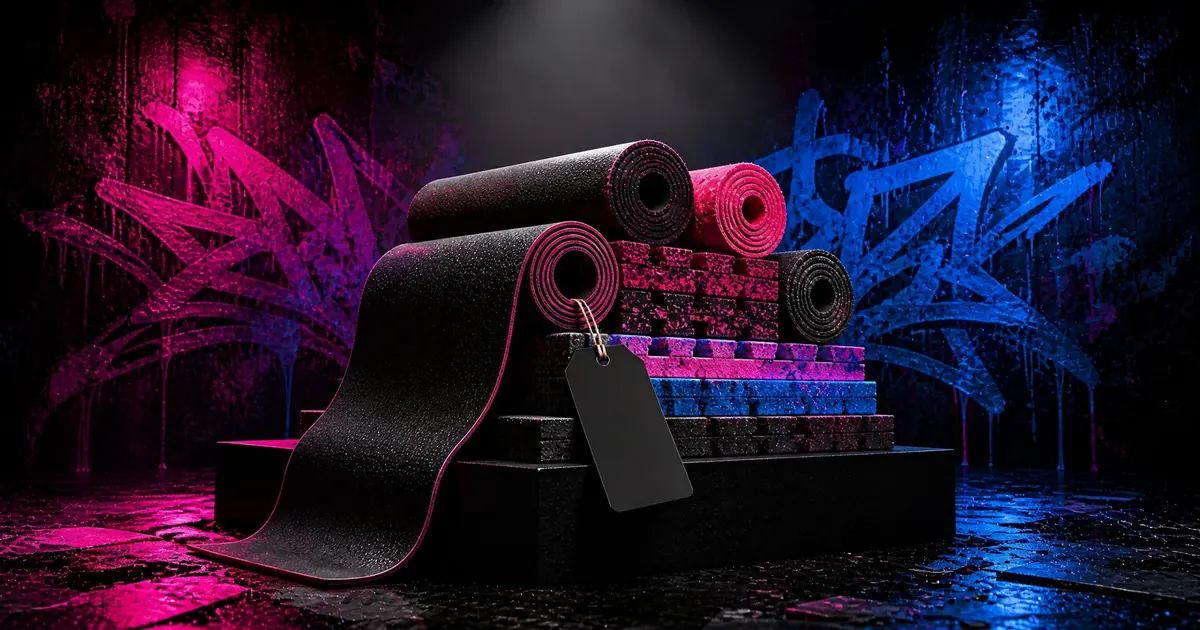
Foam is the cheap option, and it is fine for what it is. Thin foam takes the edge off and does almost nothing else. Denser foam lasts longer before it flattens, and foam that has been crushed under a sofa is not doing anything for sound or feel anymore. Cork is firmer and holds its shape better. Rubber is dense, quiet, and heavy, and it is what people specify when the neighbor downstairs has already complained once.
Sound is the reason to spend real money. Impact noise, the thud of a footstep, is what travels through a floor assembly into the room below. Cork and rubber deaden it better than thin foam, and in a condo or an upstairs apartment the building may have a requirement you have to meet. That is a case where the underlayment is not an upsell at all; it is part of the permit.
Moisture and vapor control is a separate job that sometimes rides along in the same product. Over concrete, a vapor barrier is usually a requirement, and it is a distinct layer from the cushioning, whether it comes as a sheet of poly or as a pad with a barrier bonded to it. Over some wood subfloors, a barrier is specified too. A combined pad-and-barrier product is convenient because it is one roll instead of two, but convenience is not the same as approval.
Test the slab before you buy the roll. A barrier over concrete that is still curing, or a slab nobody tested, is a guess with plastic sheeting on top.
Radiant heat is the compatibility check nobody remembers. Some pads are rated for it, some insulate too well and fight the heat, and some are banned outright by the floor manufacturer. Read the spec sheet before the heat goes on.
When the pad is a mistake
The floor already has one. Look at the plank. If there is a pad attached to the back, that is the pad. Adding a second one turns a rigid click joint into a hinge, and the joint will eventually fail at the seam while the warranty language quietly notes that an unapproved underlayment was used.
Stacking two underlayments. Same physics, worse outcome. Two soft layers under a thin plank give it room to flex, and click joints are not designed to flex. This is also a common way to void a warranty without ever reading the warranty.
Using the wrong one for the floor. Manufacturers publish a list of approved underlayments, and it exists for a reason. A thick, soft pad under a thin rigid plank is the classic mismatch: the floor feels bouncy for a month and then the seams start to show. If the product is not on the approved list, the conversation is over.
Putting a cushion under a nail-down or glue-down floor. Wood that is fastened or adhered needs direct contact with the subfloor. A pad in between means the fastener is not holding the floor and the adhesive is bonding to foam, which is not a thing that ends well.
Using it as subfloor repair. A hump does not go away because you put foam over it. A dip does not fill. A squeak does not stop. If the subfloor needs prep, the money goes into prep, not into a nicer roll. The myth about laying new floors over old ones is worth a read here too, because the layer underneath always has an opinion about the finished result.
How to tell an upsell from a real upgrade
Ask what problem the product solves. If the answer is sound transmission, concrete vapor, or a manufacturer requirement, it is worth the money. If the answer is that it feels nicer underfoot, that is a legitimate reason to buy it, but call it what it is: a comfort purchase, not protection. If the answer is that it levels the floor, walk away.
There is a script that comes with the upsell, and it usually sounds like this floor needs it or the warranty is void. Sometimes that is true. The way to check is to ask for the installation instructions, not the sales sheet, and read the underlayment section. It is short, and it names products.
Ask whether the floor already has a pad. If it does, the correct number of pads is one, and you already own it.
Ask whether the product is on the approved list. The installation instructions name the underlayments the warranty will accept. If the person selling it cannot show you that it is on the list, that is your answer.
Ask what is under the floor. A concrete slab starts a vapor conversation. A wood subfloor over a basement starts a different one. A second-floor bedroom over a finished ceiling starts a sound conversation. The room decides the product, not the other way around.
If you are still choosing the floor itself, the material matchup hub is the better place to start. Underlayment is a decision you make after the plank, not before it.
If the pad comes free with the flooring, check which pad. A free roll of thin foam is not the same as the cork pad the floor was designed around, and the price of the floor already includes it either way.
One last piece of housekeeping: the floor should be sitting in the room at normal conditions before any of this goes down. Acclimation is a separate step, and no underlayment makes up for skipping it.
The short version
- Underlayment can cushion, absorb sound, and block vapor. It cannot fix an uneven subfloor, a hump, a dip, or a squeak.
- Floating floors need a manufacturer-approved underlayment. The wrong one can void the warranty and strain the click joints.
- Never stack two underlayments, and never add a pad under a floor that already has one attached.
- Foam is cheap and basic. Cork and rubber cost more and do more for sound and feel. Over concrete, a vapor barrier is its own requirement.
- Nail-down and glue-down floors do not use a cushion, and radiant heat compatibility has to be checked.
- The upsell is worth it when it solves a real problem. It is not worth it when the floor already has a pad or the subfloor needs actual prep.