The underlayment upsell: when it's worth it
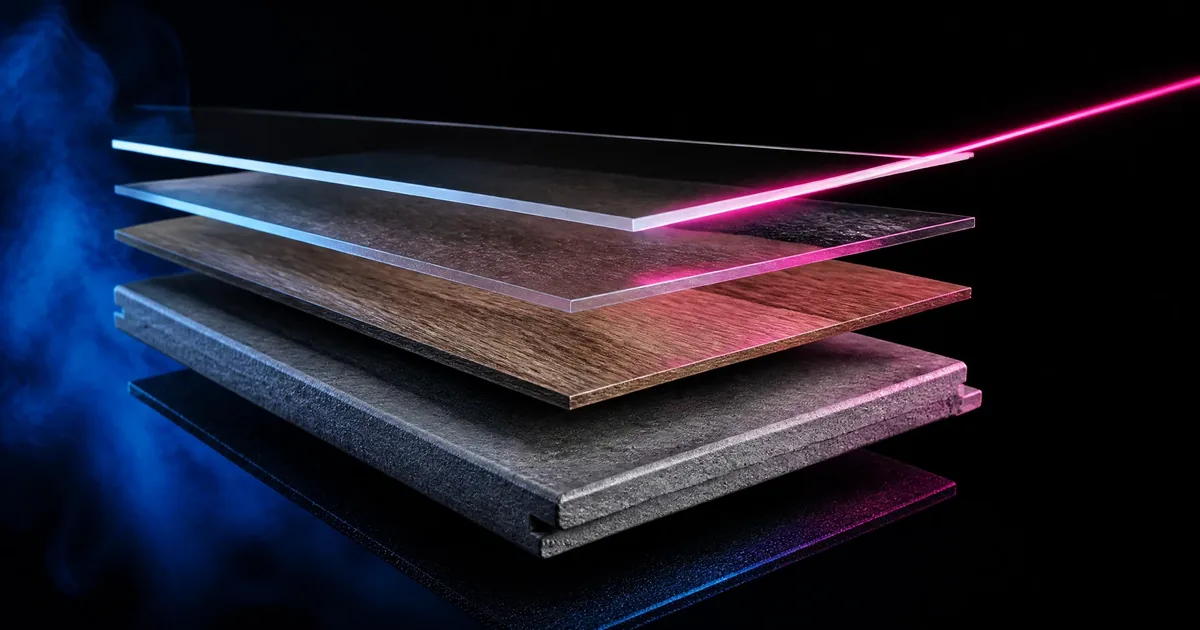
Underlayment can quiet a floor, block concrete vapor, and protect a click joint. It can also void your warranty. Here is when a pad earns its place.
Longer pieces for the decisions that do not fit on a card: what a wear layer actually protects, why acclimation is not a ritual, and where the underlayment upsell stops being nonsense.
Four categories, one rule: every article has to answer a question a shopper would actually ask in a store. Myths handles the claims that get repeated until they sound true. Materials covers what each floor is made of and how it behaves in a real house. Jargon translates the spec sheet, and Matchups puts two products in the same room and picks a side, with reasons.
The eight short myth pages live separately at the myth wall, and the definitions live at terms explained. If you are mid-renovation and need a comparison table rather than an essay, go straight to material matchup.
No sponsored posts, no affiliate links, no "top 10" lists pretending to be research.
Underlayment can quiet a floor, block concrete vapor, and protect a click joint. It can also void your warranty. Here is when a pad earns its place.
Acclimation means letting the boxes sit in the room, not the garage. Here is how long each floor type needs, and what a week of waiting cannot fix.
The wear layer is the clear coat that takes the abuse on vinyl. It is measured in mils, not millimeters, and it is not the same thing as plank thickness.
Laminate is a wood-fiber core wearing a printed photo. Vinyl is plastic all the way down. Here is how to tell which one actually belongs in your room.