
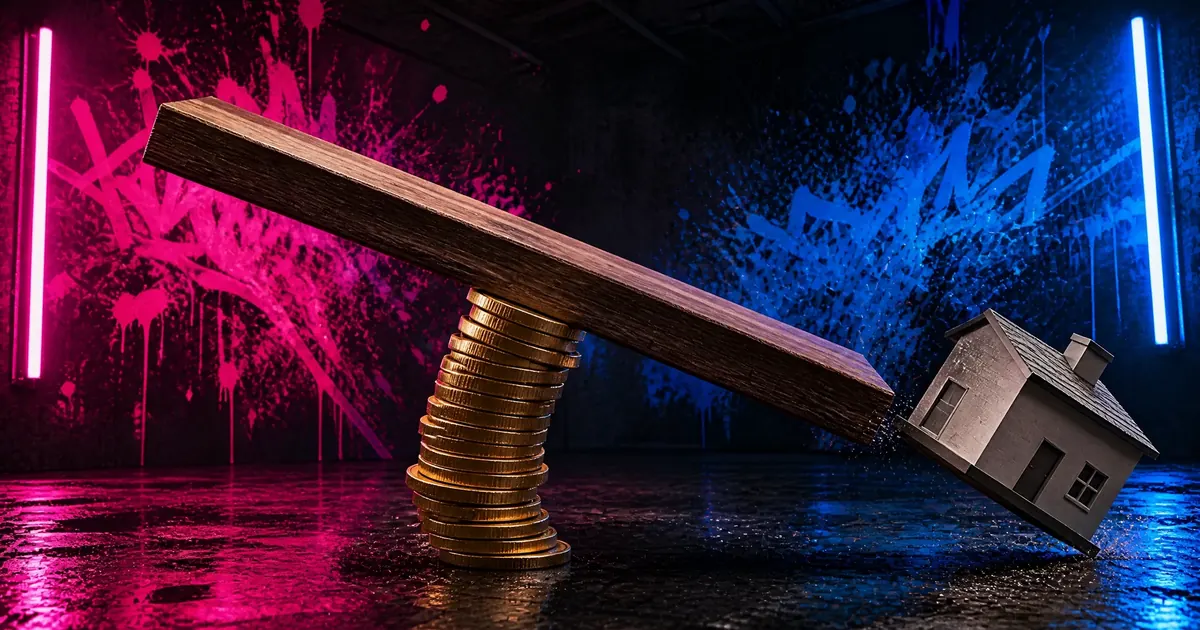
Hardwood is a good floor and a real selling point. It is not a savings account. Nobody at the appraisal office is scrolling your receipts and adding them to the total, and no listing has ever been priced by the square foot of oak.
Where this one comes from
“Hardwood pays for itself” is a line delivered with total confidence on a sales floor, usually while you are standing on carpet that has seen better decades. It sounds true for two reasons. Hardwood is expensive, and buyers do react to it. Put those together and it feels like a law of physics.
It is not. It is a hope with a nice ring to it. A floor is one decision inside a much bigger number, and the bigger number is set by people comparing your house to the one down the street.
How value actually gets decided
Comparable sales. An appraiser looks at what similar homes nearby actually sold for, then adjusts for differences: size, condition, bedroom and bath count, lot, updates. Your floor shows up as part of overall condition and finish level. It does not show up as a line item with a dollar figure attached.
The market also moves. A floor installed in a strong year does not lock in that year’s prices. If the local market cools, the floor is still a floor, and the house is worth what the house is worth.
What hardwood does buy
Marketability. Perceived quality. Listing photos that look like somebody cares. In many markets, a home with a decent wood floor shows better and sells faster than the same home with worn carpet, and that has real value when you are carrying two mortgages or waiting on a closing date.
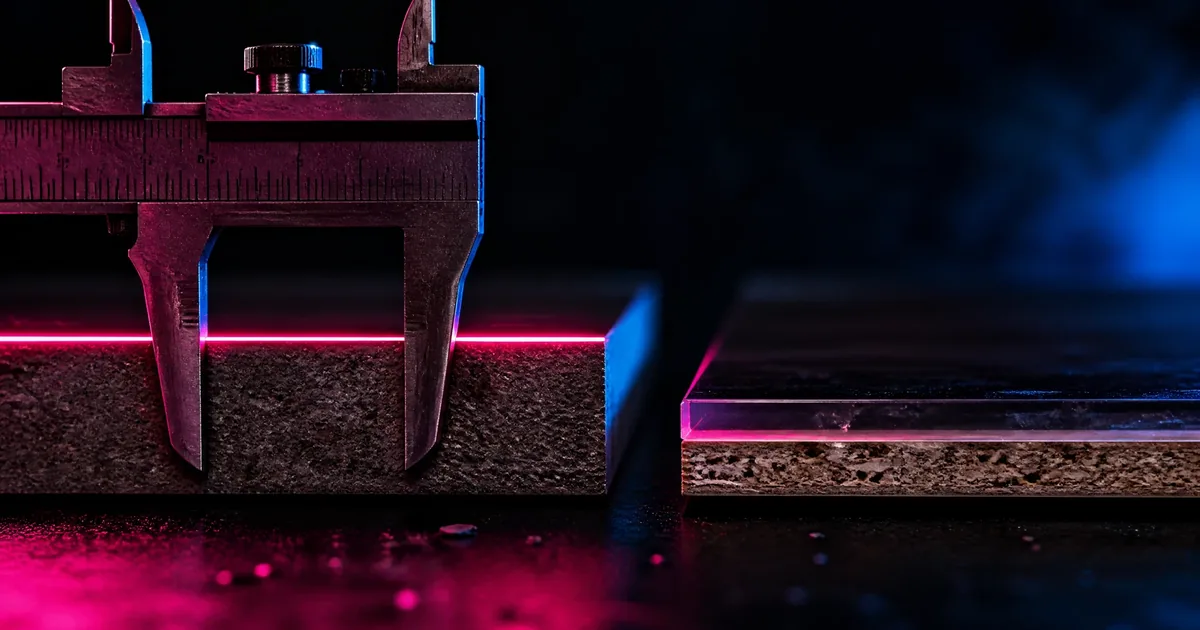
Which hardwood matters, though. A thick solid oak with a good finish and a clean install is something a buyer can see, feel, and refinish later. A thin veneer with a dull finish, a hollow sound, and visible gaps is a floor with the word hardwood on the invoice. Species, plank width, finish, condition, and installation quality all change the answer. So does the rest of the house. A beautiful floor under a leaking roof is a floor under a leaking roof.
When it does not pay back
- The local market does not want it. In some price points and some regions, buyers expect tile in the entry and bathrooms, or carpet in bedrooms, and wood is neutral at best.
- It is damaged. Cupping, gaps, stains, a finish worn through to bare wood. A buyer sees a project and prices it like one.
- The install is bad. Squeaks, lippage, a transition that trips people, a floor that moves underfoot. Bad installation turns a good product into a negotiating chip.
- You just refinished it. Refinishing costs money and takes the room out of service for days. It improves condition, which helps. It is maintenance you paid for, not value you added.
- It is the wrong floor for the house. The best floor on the street does not set the price of the cheapest house on the street.
- It got wet. Moisture damage is the one that hurts most, because the fix is removal, not a fresh coat of finish.
How to think about it instead
Buy the floor you want to live on, for the years you plan to live on it, and treat resale as a bonus rather than a return. If resale is the actual goal, put the money where your local market notices: an undamaged, well-installed floor in the main rooms, with clean transitions and no squeaks.
Then ask a local agent what buyers in your price range expect, because that answer changes by neighborhood. If you are choosing between constructions, read engineered vs solid hardwood before you fall for a showroom sample. The material matchup will tell you what each option is actually good at, and the materials section goes deeper on the rest.
The short version
- Value comes from comparable sales and appraisals, not from a flooring line item.
- Hardwood can make a home easier to sell and better to look at. That is not a number.
- Species, width, finish, condition, and installation quality all change the story.
- A thin veneer with a bad finish is not the same asset as a thick solid floor.
- Refinishing is maintenance you pay for, not a guaranteed return.
- In some markets and price points, buyers want tile, vinyl, or carpet instead.
Quick answers
Does hardwood flooring increase home value?
It can help a home sell and it can improve how a place shows, but it does not set a number. Appraisers work from comparable sales and overall condition, not from a flooring receipt.
Will I get my money back on hardwood?
Nobody can promise that. What you get is a floor you live on and, often, a house that is easier to market. Whether it pays back depends on the local market, the house, and the condition of the floor when you sell.
Do appraisers care about hardwood floors?
They care about overall condition and finish level, and flooring is part of that picture. It is not a separate line item with a fixed value, and a thin veneer in poor shape does not read the same as a solid floor in good shape.
Does damaged hardwood hurt resale?
Yes. Cupping, gaps, stains, and a worn finish read as a project, and buyers price projects. A clean, well-installed floor reads as maintenance already done.